Drew Franke · 29 September 2026
Community Workshops on Creating Personalized Floral Archives from Local Gardens
Community workshops focused on creating personalized floral archives from local gardens have expanded in recent years as residents seek structured ways to document regional plant species and maintain records of seasonal changes. These sessions combine hands-on collection methods with systematic preservation techniques that produce individual collections suitable for long-term reference. Organizers schedule many of these programs to align with peak blooming periods and participants often begin new series in September 2026 across multiple regions.
Core Elements of Workshop Structure
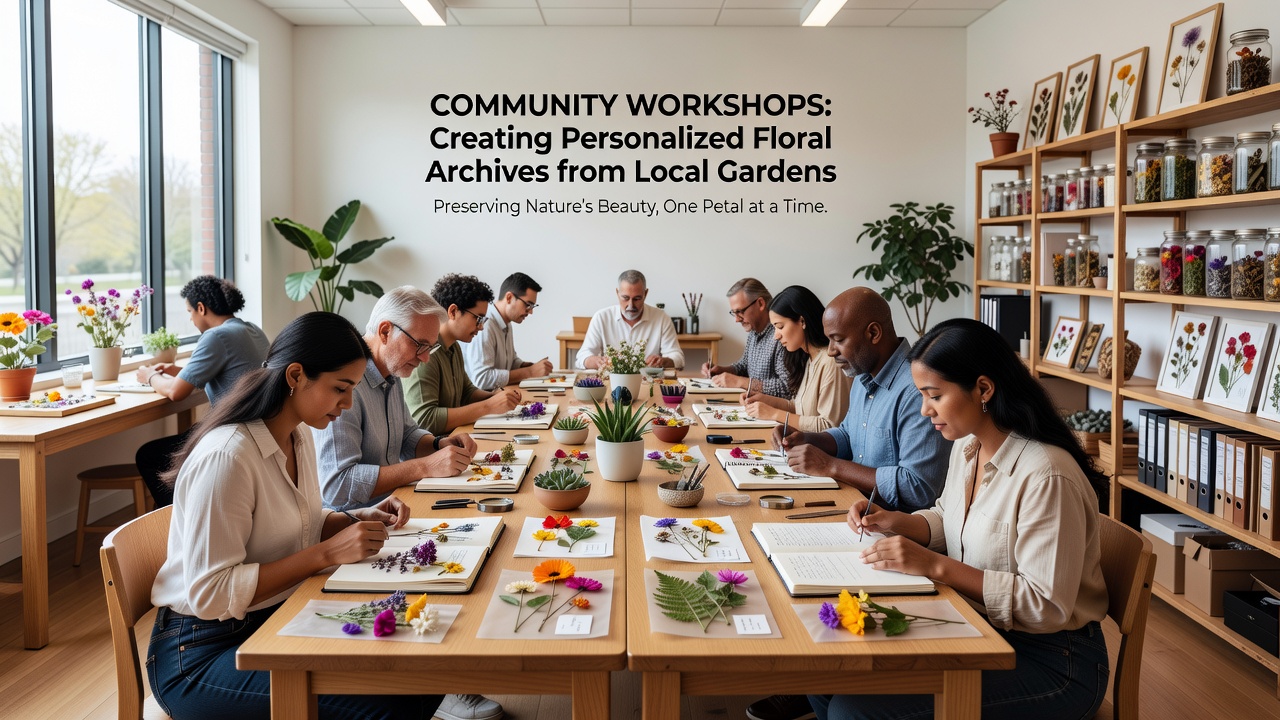
Facilitators typically open sessions by reviewing identification protocols and ethical collection guidelines that protect native plant populations while allowing limited sampling from private and community gardens. Attendees receive printed field sheets and digital templates that record location, date, soil conditions, and associated pollinator activity for each specimen gathered. Instructors demonstrate pressing methods that maintain petal color and structural integrity through controlled drying times and weight distribution, then guide participants through mounting processes using acid-free materials and archival adhesives.
Workshops divide into morning field segments and afternoon documentation segments so that fresh material moves directly into preservation steps without extended storage delays. Groups usually limit enrollment to twelve participants per session to ensure individual instruction on label formatting and cross-referencing practices that connect each pressed specimen to photographic records taken on-site.
Techniques Taught and Materials Provided
Leaders present multiple drying approaches including traditional blotter stacks, microwave-assisted methods for thicker stems, and silica gel chambers for delicate flowers that retain three-dimensional form. Participants learn to construct simple herbarium folders from recycled board stock and practice handwriting or printing labels that include binomial nomenclature verified against regional floras. Some programs supply pre-cut mounting sheets while others require attendees to prepare their own from provided templates.
Data from the USDA Agricultural Research Service shows that consistent labeling standards improve retrieval accuracy in both personal and institutional collections. Workshop curricula incorporate these standards through exercises that require cross-checking scientific names against current taxonomic databases before final entry.
Community Participation Patterns and Regional Variations
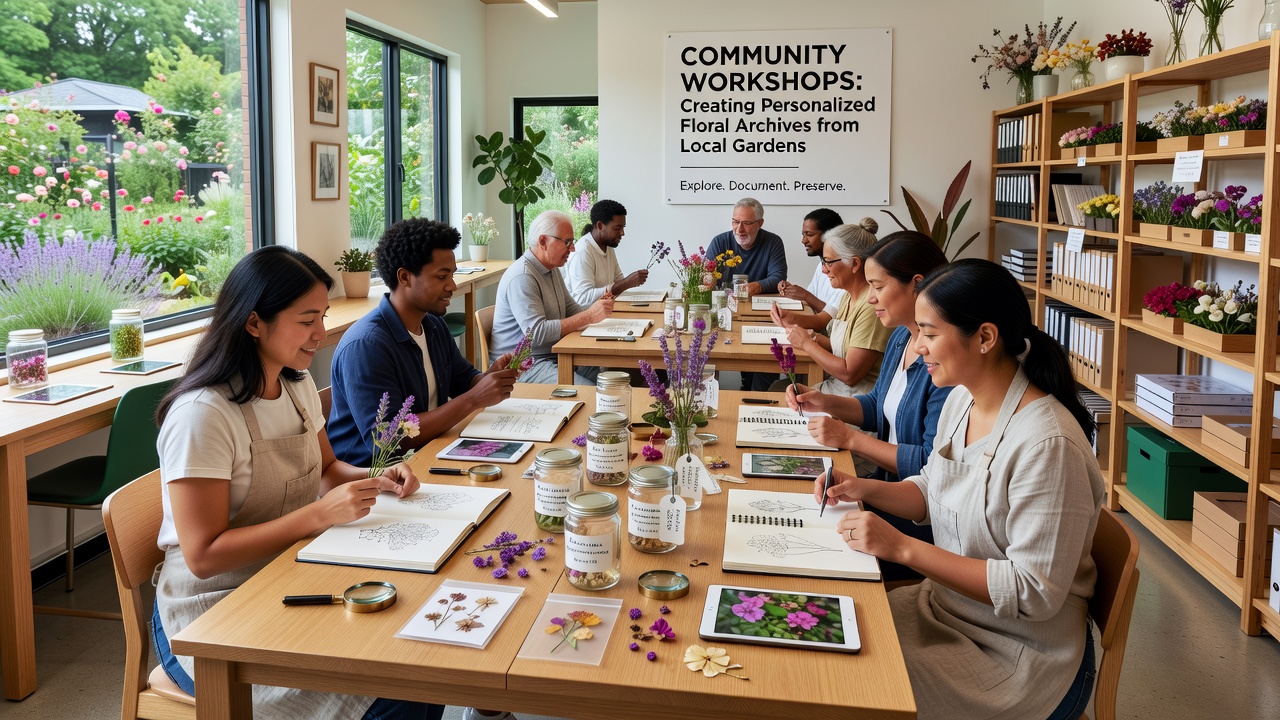
Attendance records indicate higher enrollment in suburban and peri-urban areas where garden density supports repeated collection visits throughout a single season. Rural programs often coordinate with agricultural extension offices to incorporate cultivated varieties alongside hedgerow species. In September 2026 several networks plan joint sessions that allow participants from adjacent towns to compare local floras and exchange duplicate specimens for broader representation.
Observers note that repeat attendees frequently expand their archives to include seed samples, leaf rubbings, and phenology notes that track first bloom dates across multiple years. These additions create layered records that support citizen-science contributions when participants choose to share anonymized data with regional biodiversity databases.
Documentation Standards and Long-Term Storage
Programs emphasize acid-free storage boxes and humidity-controlled environments that prevent mold growth and color fading. Facilitators review recommended humidity ranges and light exposure limits drawn from conservation guidelines published by major botanical institutions. Participants receive checklists for annual inspections that detect early signs of deterioration and allow timely re-mounting when needed.
Research from the Royal Botanic Gardens, Kew indicates that small-scale personal collections achieve greater longevity when creators follow standardized mounting and labeling procedures from the outset. Workshop materials incorporate these findings through step-by-step checklists that reinforce each stage of the archiving workflow.
Integration with Local Garden Networks
Many workshops partner with community garden coordinators who pre-identify suitable collection sites and obtain permission from plot holders. This coordination reduces overlap in sampling and ensures that archives represent the full range of cultivars grown within a neighborhood. Coordinators often schedule follow-up visits in subsequent seasons so that participants can add new growth stages or document succession planting results.
Digital components include optional upload portals where contributors contribute georeferenced images that supplement physical specimens. These combined records allow later cross-analysis of environmental factors such as microclimate differences between adjacent gardens.
Conclusion
Community workshops on personalized floral archives supply practical training in collection, preservation, and documentation that produces durable individual records drawn directly from local gardens. Through structured sessions held in September 2026 and beyond, participants build collections that reflect seasonal and spatial variation while adhering to established botanical standards. Continued coordination with extension services and botanical networks supports consistent quality across programs and enables gradual expansion of shared regional datasets.